Who owns what a model learned?
Every modern generative model is trained on vast collections of text, journalism and literature. The fight isn't about the model's answers — it's about how it was trained and who owns what it absorbed.
One distinction runs through every case: courts treat the training of a model differently from how the data was acquired. Learning from a work can be lawful even when the way it was obtained is not.

Lawful acquisition + training on one side. Piracy on the other. Almost every hard case argues which side a fact pattern lands on.
What you'll be able to do
- 1Separate acquisition, training and output when spotting the copyright question.
- 2Apply the four fair-use factors and the idea of market substitution.
- 3Explain Bartz v. Anthropic and its settlement without over-reading them.
- 4Tell allegations and advocacy apart from rulings in the NYT case.
- 5See why licensing and dataset provenance are the emerging path.
Creators vs. developers
Creators say…
Feeding our work into a model at scale is unauthorized exploitation. No one asked — and the model then competes with us using what it took.
Developers say…
Training is transformative learning. The model studies patterns; it doesn't republish the book. That's classic fair use.
What a court actually weighs
U.S. fair use isn't a single rule — it's a four-factor balancing test. Two factors do most of the heavy lifting in AI cases (marked in red).
The fair-use balance
Toggle each factor and watch the scale tip. No single switch decides it — find a mix that leans fair use, then one that leans infringement.
Which factor most weakens a fair-use defense?
Three phases of the dispute
The conflict moved through three stages. Reconstruct the record — click them from earliest to latest.
Click the earliest phase first.
Bartz v. Anthropic

The landmark outcome so far — and it drew the key line in plain view. Judge Alsup split the question in two:
A $1.5 billion signal
The unlawful acquisition created enormous exposure — and it settled for a historic $1.5 billion, the largest copyright class settlement in U.S. history, finalized in July. Why that number matters:
It was a class action
One suit stood in for many authors at once. That aggregation is what turns per-work statutory damages into a company-threatening figure.
It priced the piracy, not the training
The settlement answered the acquisition problem. The transformative-training holding stood — the money was for how the books were obtained.
Where does liability enter?
Follow one dataset through the pipeline. Click each stage — the question at every node is the same: was this step lawful?
In Bartz v. Anthropic, what did Judge Alsup rule was not protected?
The New York Times v. OpenAI & Microsoft
The most-watched case still live. Publishers say their investigative journalism was ingested without permission; the firms say it's fair use.
Cross-motions for summary judgment were set for October 21. The DOJ filed a letter backing the fair-use defense, which publishers are fighting. Courts weigh technical evidence and market substitution.

Licensing moves to center stage
If piracy is the exposure and lawful acquisition is the safe harbour, the market's answer is becoming obvious: license the data. A fast-growing layer of deals now sits between creators and model-builders.
Content licensing deals
Publishers and archives sign paid agreements letting a developer train on their catalogue — turning a lawsuit risk into a revenue line.
Provenance & opt-outs
Dataset cards, robots signals and opt-out registries aim to record consent before training, not litigate it after.
The provenance template
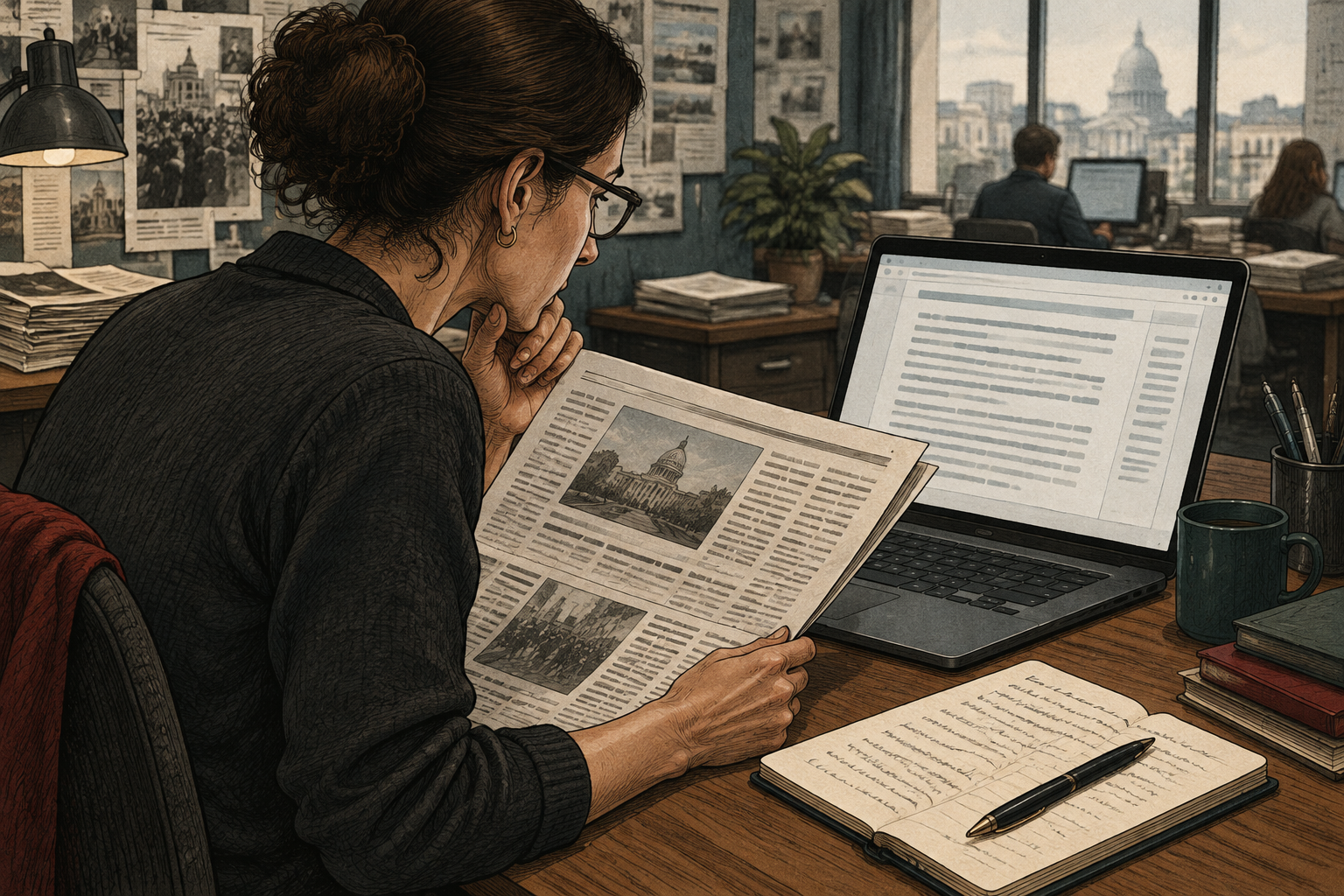
Bartz's split — lawful acquisition + training = fair use, piracy = infringement — is becoming the template for how courts treat scraped data, and it reaches every generator: text, images, audio, code.
With many suits active and interpretations competing, the law here is still contested and evolving.
The decisive question is almost always: lawful acquisition + training — or piracy?
Knowledge-check score
Fair use — a U.S. defense allowing some unlicensed uses, especially transformative ones. Transformative use — adds new purpose/character. Shadow libraries — pirate repositories of copyrighted works. Market substitution — whether output competes with/replaces the original. Dataset provenance — the record of where training data came from and how it was obtained.